

Workstations
Windows, macOS, slowdowns and peripherals.
In Geneva, a locked workstation, an inaccessible account or a broken file share is rarely a simple glitch. It often touches confidential case files, regulated client data or access shared across several entities. Diagnosis starts from the real business impact and from the sensitivity of the information involved, before anything is touched.
Geneva's economy mixes private banking around Carouge and Lancy, commodity trading, law firms, fiduciaries and international organizations. Teams are frequently multilingual, fleets mix Windows and macOS, and access is often segmented by client or by mandate. Support reflects that reality: who is affected, which rights are at stake and what confidentiality obligations frame the intervention.
Restoring use stays the priority, but never at the cost of traceability. Accounts and access are secured first, the incident is scoped, then a clear report lets internal leadership, an in-house IT contact or a compliance officer decide what happens next with full visibility.
Working context
Geneva
IT troubleshooting in Geneva for environments where data access is sensitive: accounts protected before action, scope confirmed with the responsible contact, and a report shaped for confidentiality requirements.
+41 78 905 99 36
In a Geneva context, the right channel depends as much on the blocker as on the sensitivity of the access involved. First triage protects accounts and data before acting, then picks the least intrusive path: a controlled remote fix, or an on-site visit when hardware or a secured room requires it.
| Issue | Remote | On-site | Follow-up |
|---|---|---|---|
| Account, sensitive access or shared rights | Identity check, MFA control, rights and access review | If internal policy requires physical presence | Access validation and intervention log |
| Windows or Mac workstation locked or slow | Pre-diagnosis, logs, tests without touching data | Yes if hardware, encryption or a peripheral is involved | Scoped repair with data preserved |
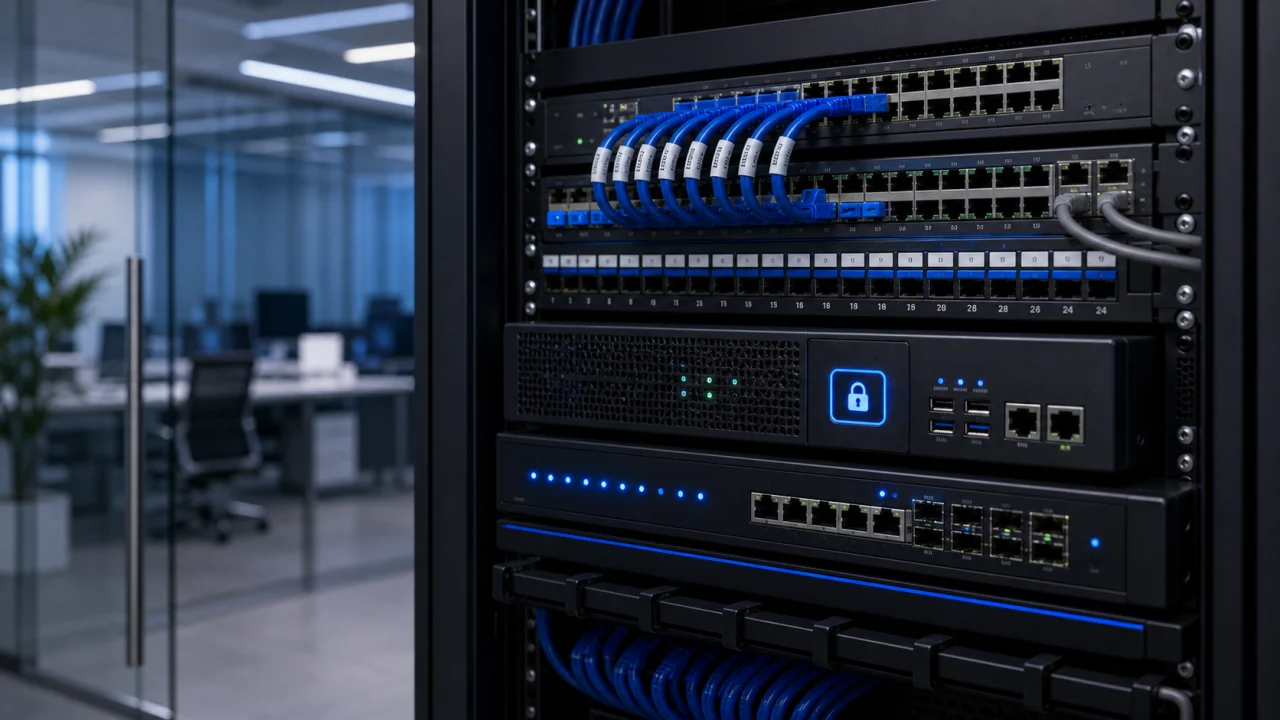
| Network, Wi-Fi, VPN and remote access | Configuration, VPN and logical segmentation checks | Yes if equipment, cabling or a secured site must be checked | Stabilisation and remote-access controls |
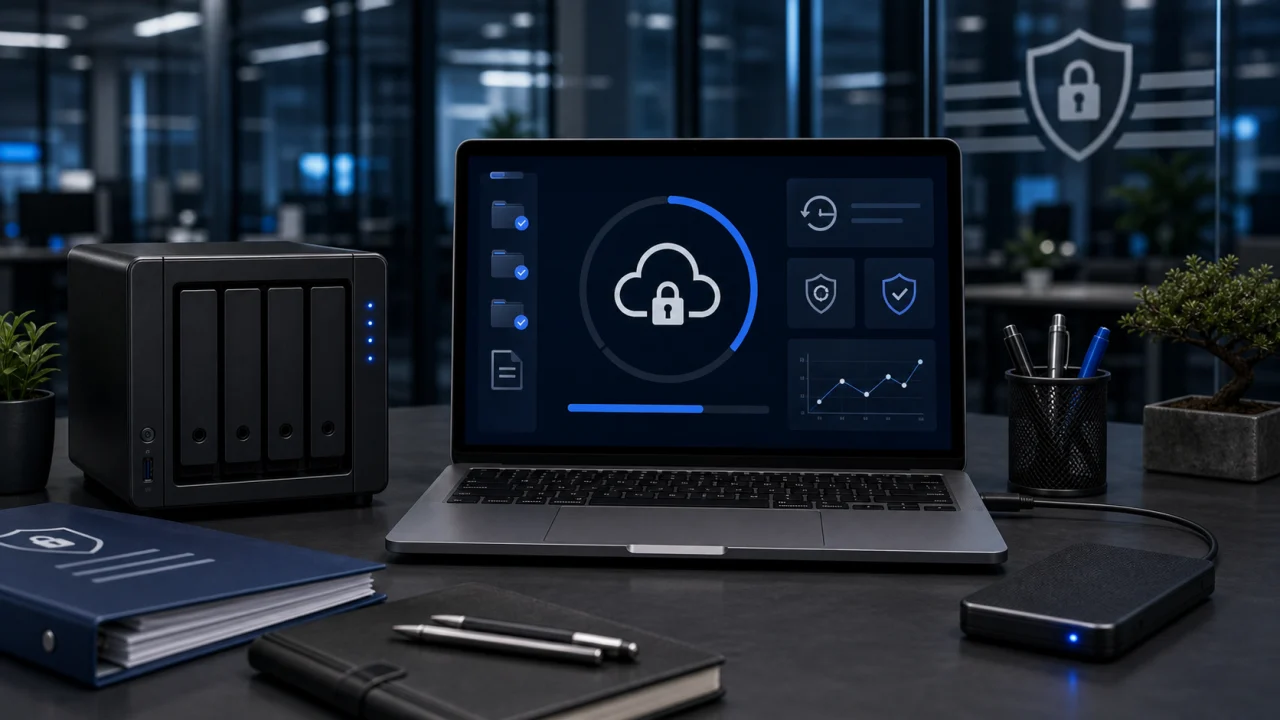
| Backup, confidential file or file share | Version, rights and log checks before recovery | Depending on local storage or encrypted media | Recovery check and confidentiality confirmation |
The scope covers four incident families on sensitive environments: workstations and accounts, network and remote access, confidential data and security follow-up. Each request is triaged by impact, the rights at stake and the sensitivity of the data involved.
In Geneva, an unusable workstation can trace back to a locked account, a corrupted profile, a Windows or macOS session, restricted cloud access, a shared mailbox or a right removed by mistake. Diagnosis links the symptom to the likely cause without needlessly opening confidential data, and starts by confirming the identity of the affected user.
For a private bank, a fiduciary or a law firm, the goal is to restore access while respecting the separation between client files and mandates. Every action is logged so it is clear what was opened, what was fixed, and what still needs monitoring on the rights and compliance side.
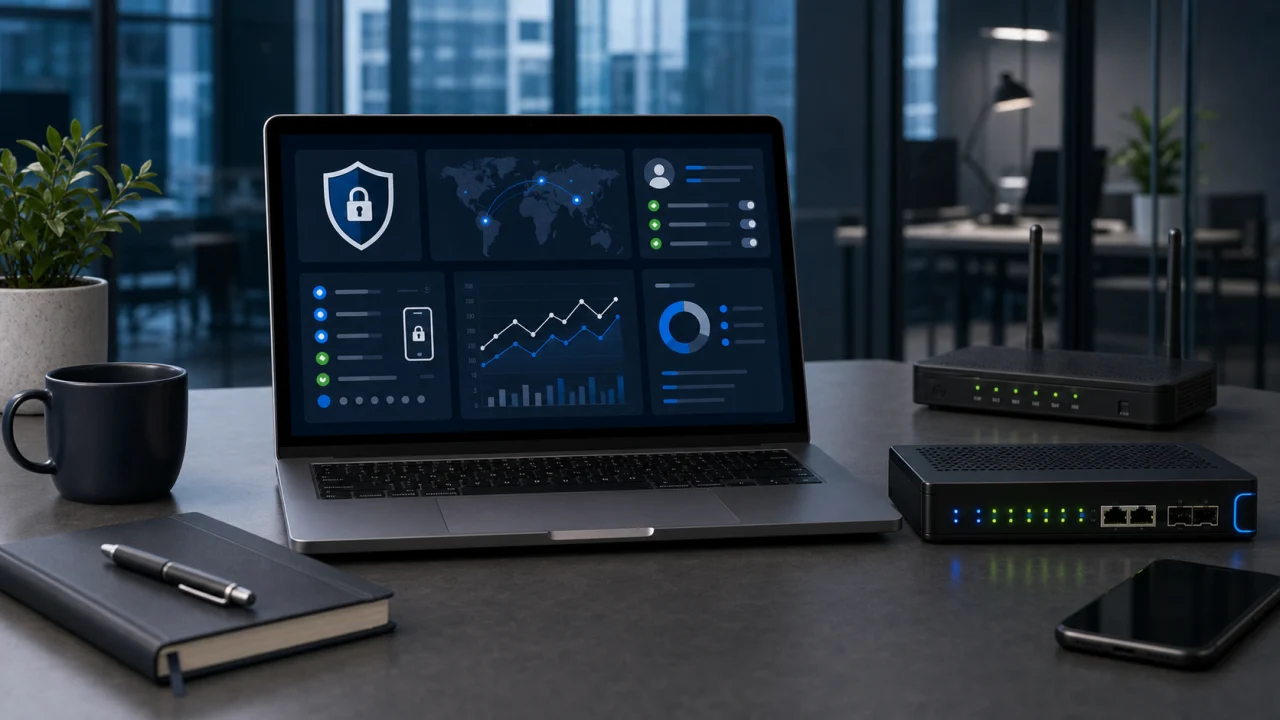
A dropped VPN, unstable Wi-Fi or unresponsive remote access can stall a team split between Geneva, a head office abroad and staff travelling. The intervention first isolates the source across device, VPN profile, network segmentation, firewall or provider dependency, without blindly touching the configuration.

For international organizations or trading desks, remote access availability matters, but security still comes first. Checks cover rights, multi-factor authentication, reachable internal resources and logs before any fix, while on-site work is reserved for equipment or premises that genuinely need a physical check.
A data incident in Geneva can involve a regulated client file, an encrypted document, a stalled cloud sync or rights misapplied between entities. Before any recovery, the work confirms available versions, logs, rights and the risk of overwriting, to avoid exposing or losing sensitive information.

This step protects data before anything else happens. The report states what was restored, what remains uncertain, and which backup, rights or encryption checks should be scheduled next, keeping the sector's specific data-protection obligations in view.
When the same incidents keep recurring, or access has been compromised, the topic outstretches one-off troubleshooting. Follow-up reviews dormant accounts, overly broad rights, multi-factor authentication, backup health and mixed device fleets, to cut avoidable risk on sensitive environments.

Follow-up is only proposed when it earns its place: security priorities, providers to coordinate, recovery tests to repeat, documentation to complete and weak points to watch. Scope stays proportionate to how the organization actually operates and to its confidentiality obligations, never a contract for its own sake.
Workstation, network, access or confidential file: urgency is classed by business impact and data sensitivity, whether the block hits an office in Vernier, a site in Meyrin or remote access from abroad.
Before any fix, identity is confirmed, accounts and multi-factor authentication are checked, and sensitive access is isolated so the incident does not get worse.
A controlled remote fix or an on-site visit depending on context, followed by checks on backups, rights, logs and synchronisation before the ticket closes.
The likely cause, access checks, actions taken and useful follow-up are recorded in a form leadership, in-house IT and compliance teams can actually use.
Diagnosis aims to restore use without sacrificing security or confidentiality: identity verified, data segmented and traceability readable for internal teams and auditors.
On sensitive environments, whether an office in Onex, a head office in Lancy or a remote device, accounts, rights and multi-factor authentication are protected before any manipulation, so an access incident is never made worse.
Client files, mandates and regulated data stay segmented. The intervention opens only what is strictly necessary and logs what was reviewed or fixed.
Every intervention aims for a readable, traceable fix that is useful to internal leadership and compliance, not just a restart with no context.
The answers cover how sensitive access is protected, how confidentiality is respected during the fix, when an on-site visit becomes necessary and what information helps scope the incident.
Support in Geneva, Carouge, Lancy, Vernier, Meyrin and Onex, with IT requests in nearby municipalities coordinated as needed.
Share the blocker, the affected users, the error message, the sensitivity of the data involved and whether a backup exists. This helps protect access, prioritise urgency and choose between controlled remote support and an on-site visit.